 U.S. Veteran Owned Business
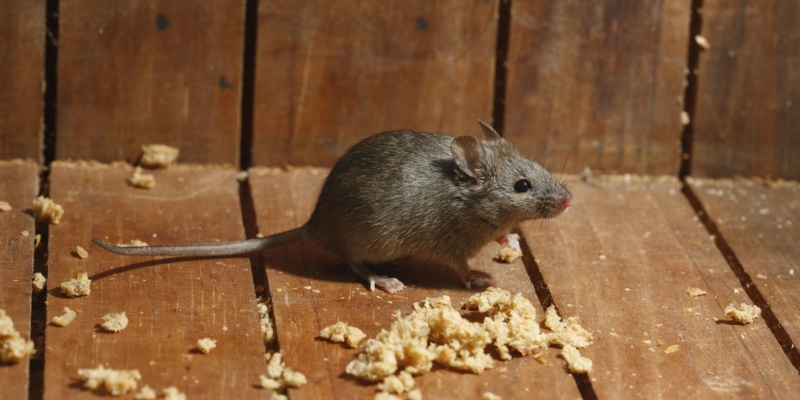
Farmington families know the challenges of keeping pests out, but rodents are especially relentless. They adapt to the climate, exploit overlooked gaps, and multiply quickly once indoors. By focusing on Farmington’s most common rodent entry points and sealing them effectively, homeowners can protect both their property and their peace of mind.
The Most Common Rodent Entry Points
Rodents exploit weak spots in homes that provide quick access to shelter, food, and warmth. In Farmington, these vulnerabilities often go unnoticed until an infestation takes hold, making awareness and inspection essential.
1. Cracks in Foundations and Exterior Walls
Hairline fractures in concrete or brick gradually widen with seasonal shifts and soil movement, creating hidden gateways. Rodents squeeze through these openings to reach basements and wall cavities where they can nest undetected.
Moisture often seeps through these cracks, attracting insects that serve as food for rodents. Left unrepaired, foundation damage not only compromises structural integrity but also establishes a long‑term entry point for pests.
2. Gaps Around Doors and Garage Frames
Doors and garage entries are high‑traffic areas, and seals wear down quickly. Even a small gap under a door sweep can allow mice to slip inside, especially when garages store pet food, bird seed, or other attractants.
Once inside the garage, rodents often spread into connected living spaces. Regular inspection of thresholds and weather stripping is one of the simplest yet most effective defenses against infestations.
3. Unsealed Utility Lines and Vents
Plumbing, HVAC, and cable lines penetrate walls and often leave gaps. Rodents follow airflow and warmth through these pathways, using them as direct tunnels into kitchens, laundry rooms, or attics.
These utility gaps become repeat travel routes once discovered. Without durable sealing materials like copper mesh or caulk, rodents can establish permanent pathways that bypass exterior defenses.
4. Rooflines and Attic Vents
Rats climb siding, gutters, and nearby trees to reach rooflines. Poorly screened attic vents or gaps in flashing allow them to slip inside unnoticed, where they find quiet nesting areas.
Infestations in attics expand rapidly since these spaces are rarely checked. Rodents here often chew insulation and electrical wiring, creating fire hazards and costly repairs.
5. Basement Windows and Crawl Spaces
Basements and crawl spaces provide damp, dark environments that rodents prefer. Loose screens, rotting wood, or deteriorating seals around windows and vents make these areas vulnerable.
Infestations often begin in these hidden spaces before spreading upward. Excess moisture also attracts insects, giving rodents a steady food source and encouraging them to stay.
6. Chimneys Without Proper Caps
An uncapped chimney acts like a vertical highway, letting rodents climb down directly into living areas. Roof rats and squirrels often exploit this route to gain access.
Chimneys also provide warmth and shelter, making them attractive nesting spots. Installing a proper cap prevents multiple wildlife issues while keeping rodents out.
7. Open Eaves and Soffit Gaps
Small gaps where the roof meets the walls allow rodents to slip inside. These overlooked spaces connect directly to attics, exposing insulation and wiring.
Homeowners rarely notice soffit damage since it sits high above eye level. Routine roof inspections are essential to catch vulnerabilities before rodents exploit them.
8. Drains and Sewer Connections
Rodents navigate sewer systems and can emerge through floor drains or poorly sealed plumbing. This bypasses exterior defenses entirely, bringing pests straight into kitchens, bathrooms, or basements.
Entry through drains increases health risks, as rodents carry pathogens from contaminated environments. Proper drain covers and plumbing maintenance are critical for both pest prevention and household safety.
Rodents exploit these entry points to secure shelter and resources. For Farmington homeowners, identifying and sealing these vulnerabilities is the foundation of effective rodent prevention. A thorough rodent access inspection in Farmington, NM ensures no weak spot is overlooked, making home rodent proofing in Farmington far more reliable.
How to Seal and Protect Your Home
Once you’ve identified the weak spots rodents use to enter, sealing them effectively is the next step toward lasting protection. A combination of simple fixes and professional solutions can make your home far less inviting to pests.
- Fill small gaps with steel wool or copper mesh: Rodents can chew through softer materials like foam, but steel wool and copper mesh stop them cold. Copper mesh resists rust and can be sealed with caulk for long‑term durability.
- Install door sweeps and replace weather stripping: Even a quarter‑inch gap under a door is enough for mice. Door sweeps close off that space, while fresh weather stripping ensures tight seals around frames, blocking rodents and improving energy efficiency.
- Screen attic and crawl space vents: These vents connect directly to hidden nesting areas. Fine‑mesh screens prevent rodents from slipping through while still allowing airflow. Inspect regularly to ensure screens don’t loosen or tear.
- Repair foundation cracks with mortar or concrete: Hairline fractures expand with seasonal shifts, creating gateways for rodents. Sealing cracks restores structural integrity and eliminates long‑term access points while preventing moisture intrusion.
- Cap chimneys and secure roof flashing: Uncapped chimneys act like vertical highways, while loose flashing creates gaps rodents exploit. Chimney caps and reinforced flashing block these high‑level entry points and deter other wildlife.
- Maintain yard and vegetation barriers: Overgrown shrubs, stacked firewood, or clutter near the foundation provide cover and easy access routes. Trimming vegetation and storing wood away from the house reduces hiding spots and discourages rodents from approaching.
By combining these steps, homeowners create a layered defense that keeps rodents from finding their way back inside. Professional exterior home sealing in Farmington adds another level of protection, ensuring every vulnerable spot is addressed for long‑term rodent prevention in Farmington homes.
Why Rodent Prevention Is Important in Farmington
Rodents are more than a nuisance; they pose real risks to health and property. Once inside, they contaminate food supplies with droppings and urine, spreading bacteria that can cause illnesses. Families in Farmington often discover infestations only after damage has already occurred, making proactive prevention critical.
Beyond health concerns, rodents are notorious for chewing through wiring and insulation. This behavior can spark electrical fires or lead to costly repairs that insurance may not fully cover. Even small infestations can escalate quickly, as rodents reproduce rapidly and establish hidden nests throughout a home.
Effective prevention protects not only the household but also the broader community. By keeping rodents out of homes, Farmington residents reduce the spread of pests into neighboring properties. A single inspection or sealing project can have ripple effects, strengthening pest control across entire neighborhoods.
Professional vs. DIY Rodent Control
Homeowners often start with DIY solutions like traps or store‑bought repellents. While these methods can provide short‑term relief, they rarely address the root cause: the entry points that allow rodents inside. Without sealing vulnerabilities, infestations tend to return, frustrating homeowners and wasting time and money.
Professional pest control offers a more comprehensive approach. Trained technicians know where rodents hide, how they travel, and which materials truly block their access. In Farmington, experts also understand local conditions — from soil types to seasonal weather — that influence rodent behavior and entry patterns.
Choosing professional services doesn’t mean abandoning DIY efforts. Instead, it creates a layered defense: homeowners maintain basic prevention steps, while specialists handle inspections, sealing, and long‑term monitoring. This partnership ensures that rodent control is both effective and sustainable.
How Sealing Complements Rodent Prevention in Farmington
Sealing entry points isn’t just a repair task — it’s the foundation of effective rodent prevention. Every crack, gap, or vent left unprotected becomes an open invitation for pests to return. By combining sealing with inspections, Farmington homeowners create a barrier that directly addresses the root cause of infestations rather than just treating the symptoms.
This approach also strengthens other prevention strategies. Landscaping, sanitation, and even professional treatments are far more effective when rodents can’t re‑enter through hidden openings. In Farmington homes, sealing transforms prevention from a temporary fix into a long‑term solution, ensuring families enjoy lasting protection against rodents.
Seal Every Gap with Larry’s Pest Patrol
Identifying entry points is only half the battle — sealing them effectively is what keeps rodents out for good. That’s where Larry’s Pest Patrol comes in. Our technicians specialize in Farmington, NM pest entry point sealing, using proven methods and eco‑friendly products to close off the cracks, vents, and gaps that rodents exploit. With decades of local experience, we know exactly how Farmington’s climate and conditions influence rodent behavior, and we tailor solutions to match.
DIY sealing can help, but rodents are persistent and resourceful. Professional inspections ensure no weak spot is overlooked, and customized sealing keeps your home protected long‑term. Contact Larry’s Pest Patrol today to seal every gap and keep your Farmington home rodent‑free for good.
