 U.S. Veteran Owned Business
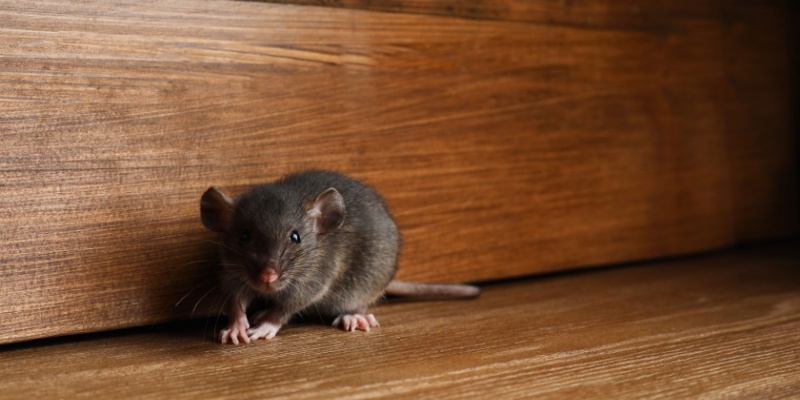
Rodents are not always easy to spot. Mice and pack rats are mostly active at night, and they tend to stick to hidden pathways—inside walls, above ceilings, and beneath appliances. By the time you see one out in the open, the problem has usually been building for a while. Knowing what signs to look for can help you catch a rodent issue early, before it leads to serious property damage or health risks. If you suspect rodent activity, Larry’s Pest Patrol offers rodent control in Farmington that addresses both the active infestation and the conditions that allowed it to start.
Droppings
Rodent droppings are one of the most reliable early indicators. Mouse droppings are small, dark, and roughly the size and shape of a grain of rice. Pack rat droppings are larger—closer to the size of a raisin. Check behind appliances, inside cabinets, along baseboards, in pantries, and in the garage. Fresh droppings are dark and moist. Older droppings are dry and crumble when disturbed. Finding droppings in multiple locations usually means the animals are moving freely through the home.
Gnaw Marks and Damage
Rodents chew constantly to keep their teeth from overgrowing. Look for gnaw marks on food packaging, wood trim, baseboards, and the edges of cabinet doors. In more advanced infestations, you may find chewed wiring—which is a fire hazard—or holes gnawed through drywall. Pack rats are especially destructive and will chew through insulation, ductwork, and vehicle wiring in garages and carports.
Scratching and Scurrying Sounds
Noises in the walls, ceiling, or attic—especially at night—are a strong indication of rodent activity. Mice produce light scratching and scurrying sounds. Rats and pack rats are heavier and tend to create more noticeable thumping and dragging sounds, particularly when moving nesting materials.
Nests and Nesting Materials
Mice build nests from shredded paper, fabric, insulation, and other soft materials. Pack rats are known for constructing large nests—sometimes called middens—out of sticks, debris, and whatever else they can gather, including jewelry, utensils, and other small household items. Common nesting locations include attics, crawl spaces, behind water heaters, and inside storage boxes that have not been moved in a while. Our post on pack rats in Northern New Mexico covers their nesting habits in detail.
Grease Marks and Rub Marks
Rodents travel the same routes repeatedly, and the oils in their fur leave dark smudge marks along walls, baseboards, and around entry points. These marks are most visible along corners and edges where rodents press against the surface as they move.
Tracks and Footprints
In dusty areas—garages, crawl spaces, and storage rooms—you may be able to see small footprints or tail drag marks. Sprinkling a light layer of flour or talcum powder along a suspected travel path overnight is a simple way to confirm activity.
Odor
A strong, musky smell in a confined area like a closet, attic, or crawl space can indicate an active rodent population. Rodent urine has a distinct ammonia-like odor that becomes more noticeable as the infestation grows.
What to Do If You Notice These Signs
Rodent problems in Farmington do not resolve on their own. Populations grow quickly—a single pair of mice can produce dozens of offspring in just a few months. Traps and bait from the hardware store may catch a few individuals, but they rarely address the full scope of the problem, especially when entry points remain open. Professional rodent control includes trapping, exclusion work to seal access points, and monitoring to confirm the problem has been resolved. Learn more about sealing your home in our guide to top entry points rodents use in Farmington homes.
If any of the signs above sound familiar, do not wait for the problem to get worse. Request a free estimate from Larry’s Pest Patrol and let our team evaluate your home.
