 U.S. Veteran Owned Business

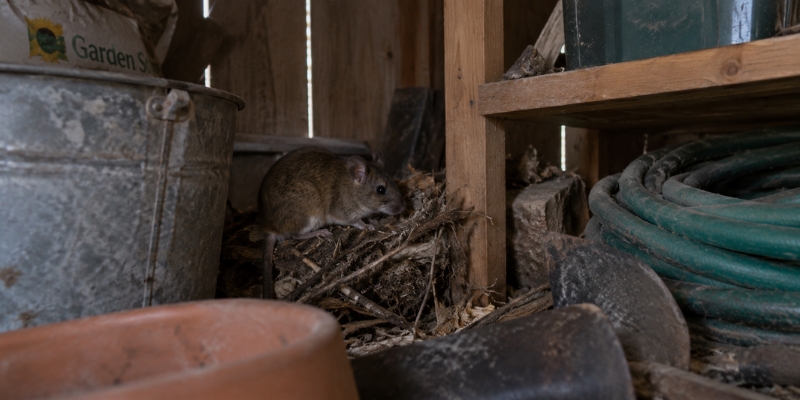
Pack rats may get into Aztec vehicles and sheds when they find cover, nesting material, and easy access. Vehicles parked near brush, wood piles, or outbuildings can give them a route into engine compartments, while stored boxes and supplies can create protected nesting areas inside sheds. Twigs in an engine compartment, shredded insulation in a cabinet, or droppings on a shelf are signs that pack rats may be using the area. At Larry’s Pest Patrol, our technicians can provide rodent control in Aztec, inspect the surrounding property, and help identify how pack rats are reaching the vehicle or shed.
Pack Rats Use Shelter Close to Their Normal Routes
“Pack rat” is a common name for woodrats, native rodents known for collecting and carrying objects. Around developed property, they may use rock piles, brush, wood stacks, abandoned equipment, sheds, and protected cavities as den sites. A vehicle becomes attractive when it remains quiet long enough to function like another sheltered structure.
The engine compartment has ledges, cavities, insulation, and narrow spaces that provide cover. Residual warmth after driving can add temporary comfort. A nearby den, reliable travel route, or food source usually has greater influence on the pattern, especially when a vehicle sits undisturbed for long periods.
Sheds give rodents additional options. Cardboard, fabric, paper, fiberglass insulation, and dry plant material can be shredded for nesting. Birdseed, grass seed, pet food, livestock feed, and forgotten snacks provide concentrated food. An opening beneath a door or around a wall panel gives a pack rat access to a space that people may enter only occasionally.
The First Clue May Be Mechanical Trouble
Pack rats and other rodents gnaw to maintain their teeth and investigate materials. Wiring insulation, hoses, soft plastic, upholstery, and sound-deadening material can all be damaged. The result may be a warning light, rough operation, a fluid leak, a failed electrical component, or a vehicle that fails to start.
Other signs can appear before a breakdown. Look for sticks, seed pods, leaves, cactus pieces, shredded material, droppings, a strong odor, or a cache of unusual objects. Under the hood, check only when the engine is off and cool. Keep hands away from fans, belts, sharp edges, and any animal you can see. A mechanic should evaluate chewed wiring, damaged hoses, or warning lights before the vehicle is driven.
Inside a shed, the pattern may include disturbed containers, gnaw marks, a nest behind shelving, or a runway along the wall. Species identification requires several clues, so preserve a clear photograph and note the size and location of any droppings. That evidence helps separate pack rat activity from mice or other rodents using the same space.
Parking and Storage Habits Can Lower the Risk
Move the vehicle regularly when possible and inspect it if it has been parked for several days near rodent habitat. Open the hood periodically in a safe, well-lit setting. Remove accumulated leaves and nesting material carefully, and arrange professional cleanup when droppings or urine are extensive.
The surrounding property deserves equal attention. Trim dense vegetation away from parking and outbuilding walls. Move stacked lumber, scrap, and unused equipment away from the immediate perimeter. Store feed and seed in durable containers with tight-fitting lids, clean spilled material promptly, and avoid leaving pet food available overnight.
A shed door should close against a sound threshold. Inspect corners, wall-to-roof transitions, vents, damaged panels, and gaps around pipes or electrical lines. Use materials suited to the structure and opening. Expanding foam by itself is easily disturbed and may leave the underlying route available.
A Vehicle Problem Can Point to a Property Problem
Removing one nest from an engine compartment addresses the immediate obstruction, yet a nearby animal may rebuild or move to another vehicle. Traps placed without understanding the route may leave the den and attracting conditions untouched. Repellent odors and lights also produce inconsistent results when food, cover, and access remain available.
A broader inspection looks at where the vehicle is parked, the edges of the lot, nearby structures, stored materials, droppings, tracks, and potential den sites. The goal is to connect the vehicle or shed activity with the rodent’s larger use of the property. Recommendations can then combine control, sanitation, habitat changes, monitoring, and appropriate exclusion.
The pest control services in Aztec from Larry’s Pest Control include help with rodent activity in homes, vehicles, sheds, and other structures. We begin by identifying the animal and reviewing where the signs have appeared.
When you find a pack rat nest, fresh droppings, or gnawed materials around a vehicle or shed, contact Larry’s Pest Control for an inspection before additional damage develops.
