Larry's Pest Patrol
Categories
Rodents

How to Keep Rodents Out of Rural Properties & Barns in the Farmington Area

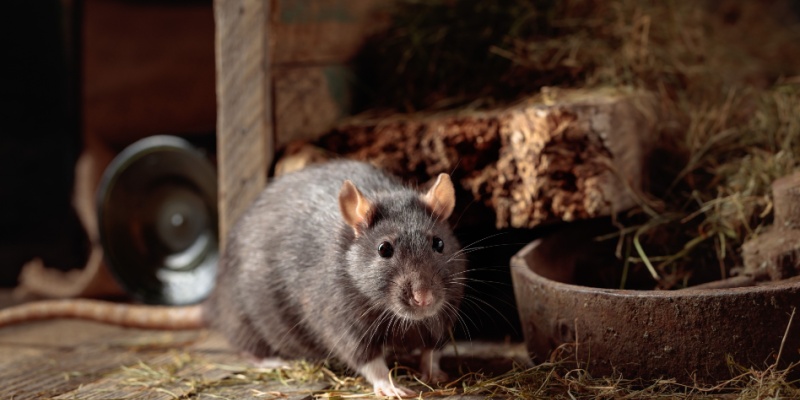
The barn should be a place of order—hay stacked high, tools lined neatly, and the quiet hum of livestock settling in for the night. But in Farmington’s rural properties, that calm can be shattered by the scurry of tiny feet. Rodents slip in under cover of darkness, gnawing through feed bags, chewing wires, and leaving behind more than just a mess. What begins as a small intrusion can quickly spiral into a costly infestation that threatens the heart of your ranch.

Quick to adapt and hard to spot, rodents seem relentless—until you take control. Here’s how you can make barns and rural homes protected against rodent threats:

Seal Entry Points

Rodents don’t need much space to squeeze inside. A dime‑sized gap is enough for mice, while rats can gnaw through wood and softer materials. Inspect doors, windows, and foundations regularly. Applying caulk, weather stripping, or metal flashing ensures rodent proofing Farmington rural homes stays effective year‑round.

  • Check for cracks in foundations and seal them with concrete or mortar.
  • Add weather stripping to barn doors and windows.
  • Cover vents with fine mesh to block entry.
  • Reinforce wooden areas with sheet metal where gnawing is common.
  • Inspect rooflines and eaves for gaps rodents can exploit.

By sealing these entry points, you cut off the most common access routes rodents use to invade barns and rural homes. This simple step prevents infestations before they start and protects your property year‑round.

Protect Feed Storage

Barns are irresistible when grain or animal feed is left exposed. Switching to sealed, rodent‑proof containers prevents contamination and reduces attraction. This simple step is one of the most effective barn rodent infestation solutions Farmington ranchers can adopt.

  • Use metal or heavy‑duty plastic containers with tight lids.
  • Elevate feed bins off the ground to reduce access.
  • Rotate feed supplies to avoid long‑term storage that attracts pests.
  • Keep storage areas well‑lit to discourage rodent activity.
  • Clean spills immediately to prevent lingering odors.

Nothing attracts rodents faster than exposed grain or feed. Proper storage and tidy surroundings remove that temptation and protect your property.

Maintain Cleanliness

Cluttered barns provide endless hiding spots. Sweep up spilled feed, keep hay stacked neatly, and remove unused equipment. A clean environment discourages nesting and supports long‑term farm rodent protection New Mexico.

  • Sweep and remove spilled grain daily.
  • Store hay off the ground on pallets to reduce nesting areas.
  • Dispose of unused or broken equipment that creates hiding spots.
  • Keep garbage bins sealed and emptied regularly.
  • Rotate storage areas to prevent rodents from establishing permanent nests.

Clean barns make it harder for rodents to settle in. Regular upkeep not only reduces hiding places but also signals that the environment is actively managed, discouraging pests from staying.

Control Vegetation Around Barns

Tall grass and weeds act like highways for rodents. By trimming vegetation and clearing brush, you reduce cover and make it harder for pests to approach. This proactive measure strengthens rural property pest prevention Farmington NM.

  • Mow grass regularly around barns and outbuildings.
  • Remove brush piles and stacked wood near structures.
  • Create gravel or stone borders to discourage burrowing.
  • Trim tree branches that touch or hang over barns.
  • Eliminate standing water sources that attract rodents.

Managing vegetation around barns reduces rodent cover and makes your property less inviting. This simple landscaping step creates a clear perimeter that discourages pests from approaching.

Install Physical Barriers

Hardware cloth, steel mesh, and metal flashing can block rodents from gnawing through vulnerable areas. Reinforcing weak spots is essential for how to protect barns from rodents Farmington and ensures your structures remain secure.

  • Line the base of barns with hardware cloth to prevent burrowing.
  • Use steel mesh around feed storage areas.
  • Install rodent guards on utility pipes and wiring.
  • Apply flashing to vulnerable wooden beams.
  • Cover drainage openings with durable grates.

Physical barriers provide long‑term protection by reinforcing weak spots rodents exploit. These materials make barns structurally stronger and less vulnerable to gnawing or burrowing.

Use Traps Strategically

Traps placed along walls, near suspected entry points, or in feed storage areas can intercept rodents before they spread. Combined with professional pest control for ranches Farmington, NM, traps provide an added layer of defense.

  • Place snap traps along walls where rodents travel.
  • Use bait stations near feed storage areas.
  • Rotate trap types to prevent rodents from adapting.
  • Monitor traps daily to track activity.
  • Relocate traps based on signs of infestation.

Strategic trap placement helps intercept rodents early, preventing infestations from spreading. When combined with professional pest control, traps become part of a layered defense system.

Schedule Professional Inspections

Even with diligent upkeep, rodents can be persistent. Regular inspections by experts in Farmington rural rodent control help detect early signs of infestation and tailor solutions to your property’s unique needs.

  • Schedule seasonal inspections to align with rodent activity cycles.
  • Request eco‑friendly treatments for barns and feed areas.
  • Ask technicians to identify structural vulnerabilities.
  • Use professional monitoring systems for long‑term prevention.
  • Get customized plans for ranches and agricultural properties.

Professional inspections provide expertise and early detection that DIY methods can miss. Tailored solutions ensure barns and rural homes stay protected against evolving rodent threats.

Why Barns Attract Rodents

Barns are the backbone of rural life in Farmington, storing feed, equipment, and sheltering livestock. Unfortunately, they also provide everything rodents need to thrive: food, water, and warmth. Grain sacks, hay bales, and even standing water from troughs create an environment where infestations can escalate quickly. Without consistent prevention, barns can become the central hub for rodent activity, spreading problems to nearby homes and fields.

Simple measures such as sealing entry points and keeping barns clean go a long way. Each action limits the opportunities rodents rely on, helping Farmington’s rural properties stay well protected into the future.

Farmington Pest Solutions for Rural Homes and Barns

Rodent prevention in Farmington isn’t just about keeping barns clean or sealing entry points—it’s about protecting the daily rhythm of rural life. Barns hold more than feed and equipment; they’re the center of a rancher’s work, where animals are cared for and livelihoods are sustained. When rodents disrupt that balance, the impact reaches beyond property damage, affecting safety, productivity, and the well-being of the entire operation. Treating prevention as stewardship ensures barns remain strong, secure, and central to rural living.

While these strategies provide a strong foundation, lasting protection often benefits from local expertise. Each property has unique vulnerabilities shaped by climate, layout, and routines, so solutions work best when adapted to those realities. Larry’s Pest Patrol helps families and ranchers not only eliminate rodents but also fortify barns and rural homes against future threats. With eco‑friendly, customized methods, prevention becomes more than maintenance—it becomes protection for what matters most.

Protect your barns, safeguard your livestock, and keep your rural property prepared against future threats. Contact Larry’s Pest Patrol today to create a prevention plan that fits your needs and ensure your Farmington home or ranch stays rodent‑free for years to come.

Categories
Rodents

How the Desert Climate Affects Rodent Behavior in Farmington, NM

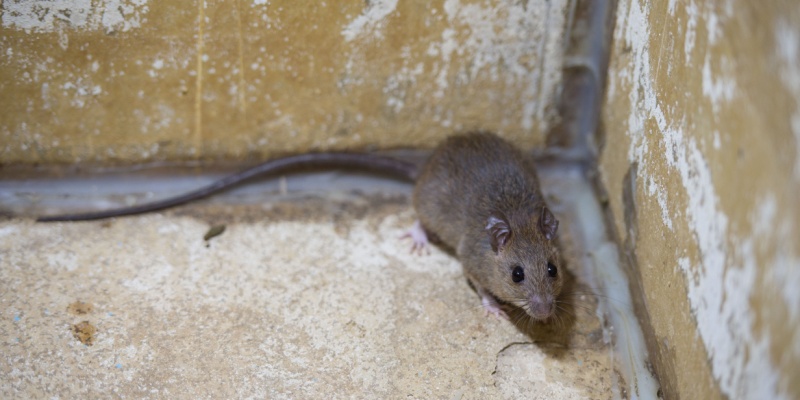
The desert doesn’t just shape the horizon in Farmington—it shapes survival itself. Beneath the blazing sun and cool, restless nights, rodents have learned to turn the extremes of New Mexico’s climate into opportunity. Their movements, nesting choices, and seasonal patterns aren’t random; they’re a direct response to the rhythm of the desert. Homeowners who grasp how Farmington’s desert climate fuels rodent behavior are better equipped to address rodent activity before it becomes a full infestation.

Climate and Rodent Survival Habits

Rodents are remarkably adaptive, but the temperature effects on rodent behavior in NM are undeniable. In the heat of summer, many species seek cooler, shaded areas, often burrowing near foundations or squeezing into crawl spaces. During colder months, the desert’s sharp temperature drops drive rodents indoors, where warmth and food are easier to find. These rodent survival habits in desert environments explain why infestations often spike during seasonal transitions.

Rodents also shift behavior with climate extremes. Droughts push them farther into neighborhoods in search of food and water, while rare rainfall can trigger quick population growth. Their survival is tightly linked to the desert’s cycles, making it vital for homeowners to anticipate changes before infestations spread.

Nesting Habits in Farmington’s Desert

The arid landscape influences rodent nesting habits in Farmington NM. Sparse vegetation pushes rodents to build nests in sheltered areas—garages, sheds, and even inside walls. Unlike wetter climates where rodents nest in dense foliage, desert rodents rely on human structures for protection. This makes climate-driven rodent problems in Farmington especially persistent, as once rodents establish nests indoors, they can multiply quickly.

Rodents here often use what’s available—shredded insulation, cardboard, or dried plant matter—to build nests. These resourceful habits show how rodent survival in desert environments is shaped by scarcity, making homes a prime source of shelter and supplies.

Moisture is another driver. Even in a dry climate, rodents seek water, often nesting near leaky pipes, irrigation systems, or shaded areas with condensation. That’s why infestations frequently occur in basements, kitchens, or utility rooms, where rodents balance the desert’s dryness with reliable hydration.

Seasonal Rodent Patterns in New Mexico

Farmington residents often notice seasonal rodent patterns in New Mexico.

  • Summer: Rodents shift to nocturnal foraging to escape the desert’s daytime heat. Homeowners are more likely to spot activity after dusk, especially around trash bins, pet food, or outdoor storage where rodents scavenge under cover of darkness.
  • Fall: As evenings cool, rodents migrate indoors in search of warmth and steady food sources. This seasonal shift often sparks desert rodent infestations in Farmington, with attics, basements, and garages becoming prime nesting sites.
  • Winter: Nesting intensifies inside homes. Rodents chew insulation for bedding and gnaw on wiring to create pathways, which can lead to costly damage. Their survival instinct drives them to stay close to heat sources, making kitchens and utility rooms common hotspots.
  • Spring: With vegetation returning outdoors, rodent populations surge. However, established colonies inside homes don’t disappear—they continue breeding, meaning infestations can persist even as food becomes more abundant outside.

These seasonal shifts highlight how rodents adapt to the desert’s extremes, moving between outdoor survival and indoor shelter depending on the climate. For homeowners, infestations are not limited to one season—vigilance is required year‑round.

How Desert Conditions Influence Food Sources

Another factor in how climate affects rodents in Farmington is the availability of food. In dry months, natural food sources like seeds and vegetation become scarce, pushing rodents to scavenge in human spaces. Trash bins, pet food, and stored grains become prime targets. During wetter seasons, desert plants briefly flourish, but rodents often continue raiding homes because the food supply indoors is more reliable. This cycle highlights why climate-driven rodent problems Farmington persist year-round.

Rodents also adjust their diets depending on what the desert provides. In leaner months, they may consume insects or gnaw on wood and wiring when other options are limited. This adaptability makes them harder to deter, as they can survive on minimal resources and exploit nearly any food source they encounter inside a home.

Preventing Rodents in Desert Homes

The key to staying protected lies in proactive prevention. Sealing entry points, maintaining clean yards, and storing food securely can reduce risks. Yet, the reality is that preventing rodents in desert homes NM often requires professional expertise. Rodents are skilled at exploiting even the smallest vulnerabilities, and DIY solutions rarely address the root of the problem.

Long-term prevention also means monitoring seasonal changes. As rodents shift behavior with the climate, homeowners should schedule inspections before peak activity periods—such as fall and spring—to catch infestations early. Professional pest control services not only block entry points but also anticipate these seasonal surges, ensuring homes remain protected year-round.

Staying Ahead of the Desert’s Challenges

Farmington’s desert climate doesn’t just shape the land—it shapes the way rodents survive. The same heat that drives them to forage at night, the same cold that pushes them indoors, and the same scarcity that makes them gnaw through insulation or wiring are all reminders that the desert sets the rhythm of their behavior.

At Larry’s Pest Patrol, we pay close attention to those rhythms. By understanding how rodents nest near water sources, shift indoors with the seasons, and adapt their diets when food runs scarce, we create prevention strategies that move in step with the desert itself.

For homeowners, this means protection that anticipates problems before they grow. It’s not about quick fixes—it’s about keeping homes resilient against the unique challenges of New Mexico’s environment, season after season. Reach out to Larry’s Pest Patrol today to align your home’s protection with the desert’s rhythm.

Categories
Rodents

Pack Rats in Northern New Mexico: Identification, Damage, and the Best Removal Methods

Pack rats may look harmless at first glance, but in Northern New Mexico they’re one of the most persistent rodent issues homeowners face. Recognizing the signs early and knowing how to respond can save you from costly repairs and sleepless nights. This guide walks you through identifying pack rats in NM homes, understanding the damage they cause, and exploring safe, effective removal techniques.

Identifying Pack Rats in NM Homes

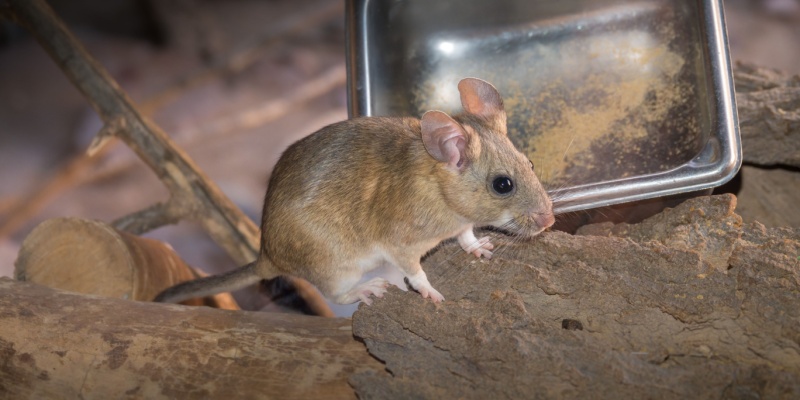
Pack rats, also known as woodrats, are larger than typical mice and have bushy tails that set them apart from other rodents. They’re notorious for collecting shiny or unusual objects to build their nests, often inside attics, garages, or sheds. Common pack rat infestation signs in New Mexico include:

  • Chewed wires and insulation: Electrical damage is one of the most dangerous outcomes.
  • Piles of debris or “middens”: These nests often contain twigs, leaves, and stolen household items.
  • Droppings and urine stains: Clear indicators of rodent activity inside your home.
  • Nocturnal scratching sounds: Pack rats are most active at night, making their presence hard to ignore.
  • Gnawed furniture or stored goods: They’ll chew through wood, cardboard, and even plastic.

Spotting these early helps you act before the problem escalates.

Damage Caused by Pack Rats in NM

The impact of a pack rat infestation often goes unnoticed until the damage becomes costly. These rodents don’t just create a mess — they compromise safety and property value in ways that demand attention. Some of the most common problems include:

  • Electrical hazards: Pack rats chew through wires, which can lead to shorts, outages, or even fire risks.
  • Insulation destruction: Their nesting habits tear apart insulation, reducing energy efficiency and raising utility bills.
  • Structural weakening: Wooden beams, furniture, and stored goods often show gnaw marks that compromise durability.
  • Landscape damage: Outdoors, they strip bark from trees, ruin gardens, and leave plants vulnerable to disease.
  • Contamination: Droppings and urine not only stain surfaces but also spread bacteria and foul odors throughout the home.
  • Property clutter: Their “middens” — piles of debris mixed with stolen household items — create unsanitary conditions and attract more pests.

Each of these issues highlights why pack rat control in Northern New Mexico is more than convenience — it’s essential for protecting your home and health.

Safe Pack Rat Removal in Northern NM

DIY efforts may catch a few rodents, but long‑term success requires a more strategic approach. Professional pack rat control in Northern New Mexico combines safe removal with prevention, ensuring your home stays protected. Common methods include:

  • Eco‑friendly treatments: Use of advanced, environmentally conscious products that eliminate rodents without harming local wildlife.
  • Targeted trapping systems: Humane traps placed in high‑activity areas to remove pack rats effectively.
  • Nest and midden removal: Clearing debris piles to prevent re‑infestation and reduce contamination risks.
  • Entry point sealing: Identifying and closing gaps in walls, attics, and foundations to block future access.
  • Sanitation and clutter reduction: Removing food sources and stored items that attract nesting behavior.
  • Ongoing monitoring: Scheduled inspections to ensure rodents don’t return and prevention measures remain intact.

These steps highlight why working with a professional pack rat exterminator in NM is the safest and most reliable way to protect your property.

Long-Term Pack Rat Prevention in Northern New Mexico

While removal is critical, prevention is what keeps your home secure year after year. Pack rats thrive in environments where food, shelter, and nesting materials are readily available. By making small adjustments to your property, you can significantly reduce the chances of another infestation. Simple steps like sealing trash bins, trimming overgrown vegetation, and storing firewood away from the house create barriers that discourage rodents from settling in.

Another key factor is ongoing maintenance. Even after professional treatment, homeowners should remain vigilant. Regularly inspecting attics, garages, and crawl spaces helps catch early signs of rodent activity before they escalate. Preventive care also extends outdoors — keeping gardens tidy and removing clutter ensures that pack rats don’t find easy hiding spots.

Partnering with a trusted pest control provider ensures that prevention strategies are tailored to your specific environment. Northern New Mexico homes face unique challenges due to climate and terrain, and local specialists understand how to adapt solutions accordingly. With consistent monitoring and proactive measures, you can enjoy peace of mind knowing your property is protected against future pack rat problems.

Why Choose Local Pack Rat Specialists in Northern NM?

When dealing with rodents, local expertise matters. New Mexico pack rat removal services like Larry’s Pest Patrol understand the unique challenges of Northern New Mexico homes—from rural properties to urban neighborhoods. With years of proven results, we provide reliable pack rat removal in Northern NM, using methods that are both effective and guaranteed.

With Larry’s Pest Patrol, pest control becomes protection you can trust—for your home, your loved ones, and your peace of mind. Call on the local pack rat specialists in Northern NM who know how to solve the problem right the first time.

Categories
Rodents

Top Entry Points Rodents Use in Farmington Homes — and How to Seal Them

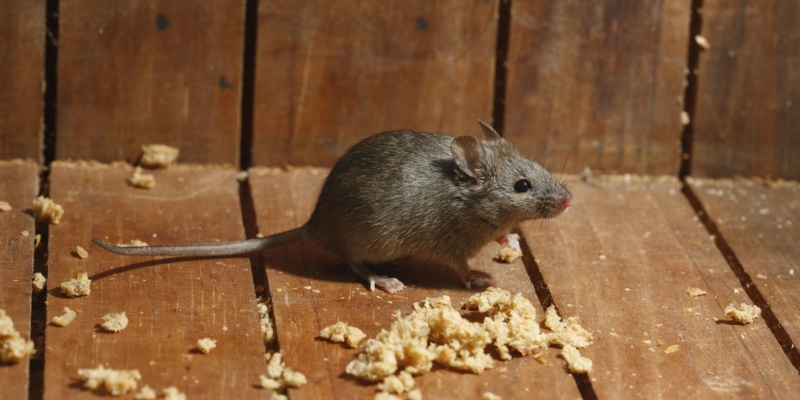
Farmington families know the challenges of keeping pests out, but rodents are especially relentless. They adapt to the climate, exploit overlooked gaps, and multiply quickly once indoors. By focusing on Farmington’s most common rodent entry points and sealing them effectively, homeowners can protect both their property and their peace of mind.

The Most Common Rodent Entry Points

Rodents exploit weak spots in homes that provide quick access to shelter, food, and warmth. In Farmington, these vulnerabilities often go unnoticed until an infestation takes hold, making awareness and inspection essential.

1. Cracks in Foundations and Exterior Walls

Hairline fractures in concrete or brick gradually widen with seasonal shifts and soil movement, creating hidden gateways. Rodents squeeze through these openings to reach basements and wall cavities where they can nest undetected.

Moisture often seeps through these cracks, attracting insects that serve as food for rodents. Left unrepaired, foundation damage not only compromises structural integrity but also establishes a long‑term entry point for pests.

2. Gaps Around Doors and Garage Frames

Doors and garage entries are high‑traffic areas, and seals wear down quickly. Even a small gap under a door sweep can allow mice to slip inside, especially when garages store pet food, bird seed, or other attractants.

Once inside the garage, rodents often spread into connected living spaces. Regular inspection of thresholds and weather stripping is one of the simplest yet most effective defenses against infestations.

3. Unsealed Utility Lines and Vents

Plumbing, HVAC, and cable lines penetrate walls and often leave gaps. Rodents follow airflow and warmth through these pathways, using them as direct tunnels into kitchens, laundry rooms, or attics.

These utility gaps become repeat travel routes once discovered. Without durable sealing materials like copper mesh or caulk, rodents can establish permanent pathways that bypass exterior defenses.

4. Rooflines and Attic Vents

Rats climb siding, gutters, and nearby trees to reach rooflines. Poorly screened attic vents or gaps in flashing allow them to slip inside unnoticed, where they find quiet nesting areas.

Infestations in attics expand rapidly since these spaces are rarely checked. Rodents here often chew insulation and electrical wiring, creating fire hazards and costly repairs.

5. Basement Windows and Crawl Spaces

Basements and crawl spaces provide damp, dark environments that rodents prefer. Loose screens, rotting wood, or deteriorating seals around windows and vents make these areas vulnerable.

Infestations often begin in these hidden spaces before spreading upward. Excess moisture also attracts insects, giving rodents a steady food source and encouraging them to stay.

6. Chimneys Without Proper Caps

An uncapped chimney acts like a vertical highway, letting rodents climb down directly into living areas. Roof rats and squirrels often exploit this route to gain access.

Chimneys also provide warmth and shelter, making them attractive nesting spots. Installing a proper cap prevents multiple wildlife issues while keeping rodents out.

7. Open Eaves and Soffit Gaps

Small gaps where the roof meets the walls allow rodents to slip inside. These overlooked spaces connect directly to attics, exposing insulation and wiring.

Homeowners rarely notice soffit damage since it sits high above eye level. Routine roof inspections are essential to catch vulnerabilities before rodents exploit them.

8. Drains and Sewer Connections

Rodents navigate sewer systems and can emerge through floor drains or poorly sealed plumbing. This bypasses exterior defenses entirely, bringing pests straight into kitchens, bathrooms, or basements.

Entry through drains increases health risks, as rodents carry pathogens from contaminated environments. Proper drain covers and plumbing maintenance are critical for both pest prevention and household safety.

Rodents exploit these entry points to secure shelter and resources. For Farmington homeowners, identifying and sealing these vulnerabilities is the foundation of effective rodent prevention. A thorough rodent access inspection in Farmington, NM ensures no weak spot is overlooked, making home rodent proofing in Farmington far more reliable.

How to Seal and Protect Your Home

Once you’ve identified the weak spots rodents use to enter, sealing them effectively is the next step toward lasting protection. A combination of simple fixes and professional solutions can make your home far less inviting to pests.

  • Fill small gaps with steel wool or copper mesh: Rodents can chew through softer materials like foam, but steel wool and copper mesh stop them cold. Copper mesh resists rust and can be sealed with caulk for long‑term durability.
  • Install door sweeps and replace weather stripping: Even a quarter‑inch gap under a door is enough for mice. Door sweeps close off that space, while fresh weather stripping ensures tight seals around frames, blocking rodents and improving energy efficiency.
  • Screen attic and crawl space vents: These vents connect directly to hidden nesting areas. Fine‑mesh screens prevent rodents from slipping through while still allowing airflow. Inspect regularly to ensure screens don’t loosen or tear.
  • Repair foundation cracks with mortar or concrete: Hairline fractures expand with seasonal shifts, creating gateways for rodents. Sealing cracks restores structural integrity and eliminates long‑term access points while preventing moisture intrusion.
  • Cap chimneys and secure roof flashing: Uncapped chimneys act like vertical highways, while loose flashing creates gaps rodents exploit. Chimney caps and reinforced flashing block these high‑level entry points and deter other wildlife.
  • Maintain yard and vegetation barriers: Overgrown shrubs, stacked firewood, or clutter near the foundation provide cover and easy access routes. Trimming vegetation and storing wood away from the house reduces hiding spots and discourages rodents from approaching.

By combining these steps, homeowners create a layered defense that keeps rodents from finding their way back inside. Professional exterior home sealing in Farmington adds another level of protection, ensuring every vulnerable spot is addressed for long‑term rodent prevention in Farmington homes.

Why Rodent Prevention Is Important in Farmington

Rodents are more than a nuisance; they pose real risks to health and property. Once inside, they contaminate food supplies with droppings and urine, spreading bacteria that can cause illnesses. Families in Farmington often discover infestations only after damage has already occurred, making proactive prevention critical.

Beyond health concerns, rodents are notorious for chewing through wiring and insulation. This behavior can spark electrical fires or lead to costly repairs that insurance may not fully cover. Even small infestations can escalate quickly, as rodents reproduce rapidly and establish hidden nests throughout a home.

Effective prevention protects not only the household but also the broader community. By keeping rodents out of homes, Farmington residents reduce the spread of pests into neighboring properties. A single inspection or sealing project can have ripple effects, strengthening pest control across entire neighborhoods.

Professional vs. DIY Rodent Control

Homeowners often start with DIY solutions like traps or store‑bought repellents. While these methods can provide short‑term relief, they rarely address the root cause: the entry points that allow rodents inside. Without sealing vulnerabilities, infestations tend to return, frustrating homeowners and wasting time and money.

Professional pest control offers a more comprehensive approach. Trained technicians know where rodents hide, how they travel, and which materials truly block their access. In Farmington, experts also understand local conditions — from soil types to seasonal weather — that influence rodent behavior and entry patterns.

Choosing professional services doesn’t mean abandoning DIY efforts. Instead, it creates a layered defense: homeowners maintain basic prevention steps, while specialists handle inspections, sealing, and long‑term monitoring. This partnership ensures that rodent control is both effective and sustainable.

How Sealing Complements Rodent Prevention in Farmington

Sealing entry points isn’t just a repair task — it’s the foundation of effective rodent prevention. Every crack, gap, or vent left unprotected becomes an open invitation for pests to return. By combining sealing with inspections, Farmington homeowners create a barrier that directly addresses the root cause of infestations rather than just treating the symptoms.

This approach also strengthens other prevention strategies. Landscaping, sanitation, and even professional treatments are far more effective when rodents can’t re‑enter through hidden openings. In Farmington homes, sealing transforms prevention from a temporary fix into a long‑term solution, ensuring families enjoy lasting protection against rodents.

Seal Every Gap with Larry’s Pest Patrol

Identifying entry points is only half the battle — sealing them effectively is what keeps rodents out for good. That’s where Larry’s Pest Patrol comes in. Our technicians specialize in Farmington, NM pest entry point sealing, using proven methods and eco‑friendly products to close off the cracks, vents, and gaps that rodents exploit. With decades of local experience, we know exactly how Farmington’s climate and conditions influence rodent behavior, and we tailor solutions to match.

DIY sealing can help, but rodents are persistent and resourceful. Professional inspections ensure no weak spot is overlooked, and customized sealing keeps your home protected long‑term. Contact Larry’s Pest Patrol today to seal every gap and keep your Farmington home rodent‑free for good.