U.S. Veteran Owned Business
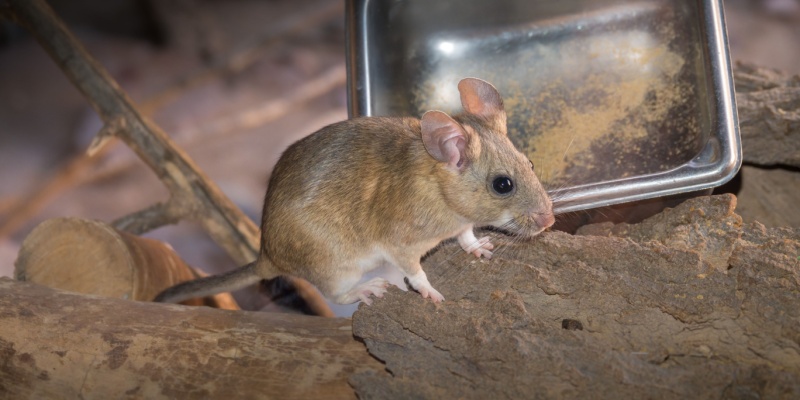
The desert doesn’t just shape the horizon in Farmington—it shapes survival itself. Beneath the blazing sun and cool, restless nights, rodents have learned to turn the extremes of New Mexico’s climate into opportunity. Their movements, nesting choices, and seasonal patterns aren’t random; they’re a direct response to the rhythm of the desert. Homeowners who grasp how Farmington’s desert climate fuels rodent behavior are better equipped to address rodent activity before it becomes a full infestation.
Climate and Rodent Survival Habits
Rodents are remarkably adaptive, but the temperature effects on rodent behavior in NM are undeniable. In the heat of summer, many species seek cooler, shaded areas, often burrowing near foundations or squeezing into crawl spaces. During colder months, the desert’s sharp temperature drops drive rodents indoors, where warmth and food are easier to find. These rodent survival habits in desert environments explain why infestations often spike during seasonal transitions.
Rodents also shift behavior with climate extremes. Droughts push them farther into neighborhoods in search of food and water, while rare rainfall can trigger quick population growth. Their survival is tightly linked to the desert’s cycles, making it vital for homeowners to anticipate changes before infestations spread.
Nesting Habits in Farmington’s Desert
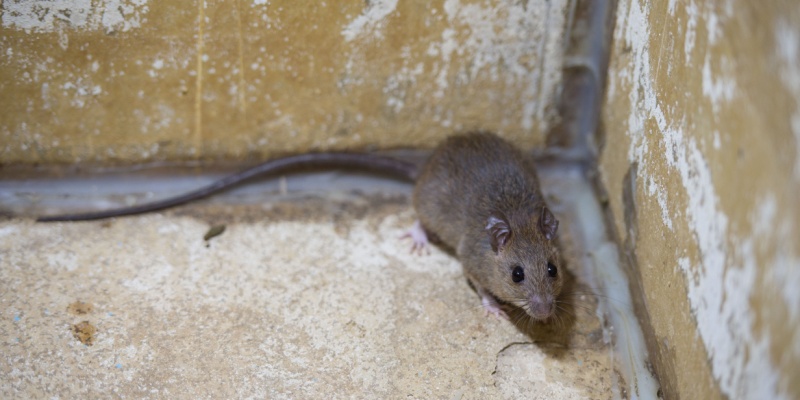
The arid landscape influences rodent nesting habits in Farmington NM. Sparse vegetation pushes rodents to build nests in sheltered areas—garages, sheds, and even inside walls. Unlike wetter climates where rodents nest in dense foliage, desert rodents rely on human structures for protection. This makes climate-driven rodent problems in Farmington especially persistent, as once rodents establish nests indoors, they can multiply quickly.
Rodents here often use what’s available—shredded insulation, cardboard, or dried plant matter—to build nests. These resourceful habits show how rodent survival in desert environments is shaped by scarcity, making homes a prime source of shelter and supplies.
Moisture is another driver. Even in a dry climate, rodents seek water, often nesting near leaky pipes, irrigation systems, or shaded areas with condensation. That’s why infestations frequently occur in basements, kitchens, or utility rooms, where rodents balance the desert’s dryness with reliable hydration.
Seasonal Rodent Patterns in New Mexico
Farmington residents often notice seasonal rodent patterns in New Mexico.
- Summer: Rodents shift to nocturnal foraging to escape the desert’s daytime heat. Homeowners are more likely to spot activity after dusk, especially around trash bins, pet food, or outdoor storage where rodents scavenge under cover of darkness.
- Fall: As evenings cool, rodents migrate indoors in search of warmth and steady food sources. This seasonal shift often sparks desert rodent infestations in Farmington, with attics, basements, and garages becoming prime nesting sites.
- Winter: Nesting intensifies inside homes. Rodents chew insulation for bedding and gnaw on wiring to create pathways, which can lead to costly damage. Their survival instinct drives them to stay close to heat sources, making kitchens and utility rooms common hotspots.
- Spring: With vegetation returning outdoors, rodent populations surge. However, established colonies inside homes don’t disappear—they continue breeding, meaning infestations can persist even as food becomes more abundant outside.
These seasonal shifts highlight how rodents adapt to the desert’s extremes, moving between outdoor survival and indoor shelter depending on the climate. For homeowners, infestations are not limited to one season—vigilance is required year‑round.
How Desert Conditions Influence Food Sources
Another factor in how climate affects rodents in Farmington is the availability of food. In dry months, natural food sources like seeds and vegetation become scarce, pushing rodents to scavenge in human spaces. Trash bins, pet food, and stored grains become prime targets. During wetter seasons, desert plants briefly flourish, but rodents often continue raiding homes because the food supply indoors is more reliable. This cycle highlights why climate-driven rodent problems Farmington persist year-round.
Rodents also adjust their diets depending on what the desert provides. In leaner months, they may consume insects or gnaw on wood and wiring when other options are limited. This adaptability makes them harder to deter, as they can survive on minimal resources and exploit nearly any food source they encounter inside a home.
Preventing Rodents in Desert Homes
The key to staying protected lies in proactive prevention. Sealing entry points, maintaining clean yards, and storing food securely can reduce risks. Yet, the reality is that preventing rodents in desert homes NM often requires professional expertise. Rodents are skilled at exploiting even the smallest vulnerabilities, and DIY solutions rarely address the root of the problem.
Long-term prevention also means monitoring seasonal changes. As rodents shift behavior with the climate, homeowners should schedule inspections before peak activity periods—such as fall and spring—to catch infestations early. Professional pest control services not only block entry points but also anticipate these seasonal surges, ensuring homes remain protected year-round.
Staying Ahead of the Desert’s Challenges
Farmington’s desert climate doesn’t just shape the land—it shapes the way rodents survive. The same heat that drives them to forage at night, the same cold that pushes them indoors, and the same scarcity that makes them gnaw through insulation or wiring are all reminders that the desert sets the rhythm of their behavior.
At Larry’s Pest Patrol, we pay close attention to those rhythms. By understanding how rodents nest near water sources, shift indoors with the seasons, and adapt their diets when food runs scarce, we create prevention strategies that move in step with the desert itself.
For homeowners, this means protection that anticipates problems before they grow. It’s not about quick fixes—it’s about keeping homes resilient against the unique challenges of New Mexico’s environment, season after season. Reach out to Larry’s Pest Patrol today to align your home’s protection with the desert’s rhythm.