U.S. Veteran Owned Business
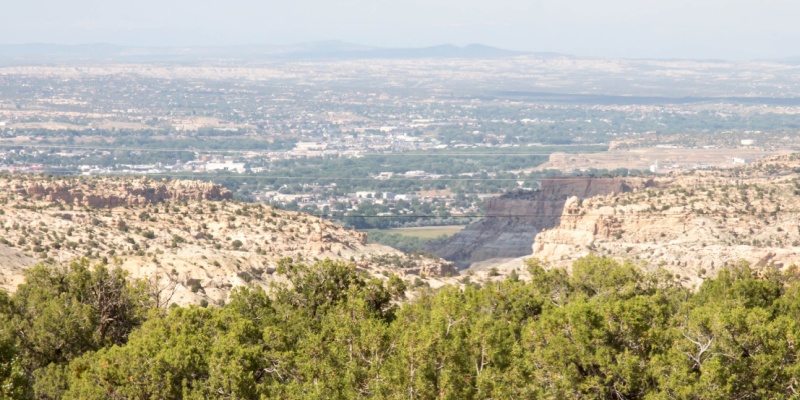
The Four Corners region—where New Mexico, Colorado, Arizona, and Utah meet—is one of the most pest-active areas in the western United States. Homeowners in Farmington, Aztec, Bloomfield, Durango, Cortez, and the surrounding communities deal with pest issues year-round, often at higher rates than people expect for a dry, high-desert environment. Several factors unique to this region explain why. Larry’s Pest Patrol provides residential pest control across San Juan County and Southwest Colorado, where these conditions are an everyday reality.
Extreme Temperature Swings
The Four Corners region regularly experiences temperature differences of 40 degrees or more between daytime highs and nighttime lows. These swings force pests to seek stable environments, and homes provide exactly that. Attics, crawl spaces, wall voids, and interior rooms maintain relatively consistent temperatures compared to the outdoors, making residential properties highly attractive to insects and rodents alike.
Limited Natural Moisture
Annual rainfall in the Farmington area averages around 8 to 10 inches. That lack of consistent moisture means that any available water source becomes a magnet for pests. Leaky faucets, irrigation lines, pet water bowls, and condensation around HVAC systems all draw ants, cockroaches, centipedes, and other moisture-seeking species toward homes. Properties near the Animas, San Juan, or La Plata rivers tend to see higher pest pressure because of the additional humidity those waterways create.
Mixed Urban and Rural Landscapes
Much of the Four Corners region blends residential neighborhoods with agricultural land, open desert, and riparian areas. This means that pest populations living in surrounding fields, ditches, and undeveloped lots have short distances to travel before reaching a home. Rural properties and homes on the edges of town are especially vulnerable, but even centrally located neighborhoods in Farmington and Durango are not far from natural pest habitats.
Construction Styles and Older Housing Stock
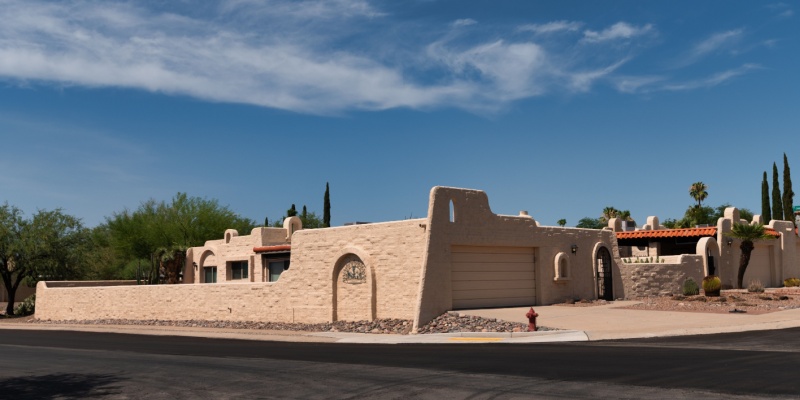
Many homes in the region were built with crawl spaces, stucco exteriors, and flat or low-slope roofs—all of which can create pest entry points over time. Stucco develops cracks as it ages, crawl spaces provide sheltered harborage, and flat roofs can accumulate moisture that attracts pests. Older homes may also have gaps around pipe penetrations, electrical conduits, and foundation joints that were never properly sealed.
Diverse Pest Species
The Four Corners region sits at the intersection of multiple ecological zones, which means it supports a wider range of pest species than many other areas. Desert scorpions, multiple ant species, black widows, brown recluse spiders, pack rats, house mice, cockroaches, centipedes, and various stinging insects all share this territory. That diversity means homeowners are rarely dealing with just one type of pest.
What You Can Do About It
Understanding why pest problems are so common in this region helps explain why professional pest control is not optional for most homeowners—it is a necessary part of home maintenance. Routine treatments that account for seasonal pest cycles, local species, and property-specific vulnerabilities are the most effective way to stay protected.
Larry’s Pest Patrol has been serving the Four Corners area since 1973, and we understand the unique challenges this region presents. Request a free estimate to learn how our service plans can keep your home protected throughout the year.